
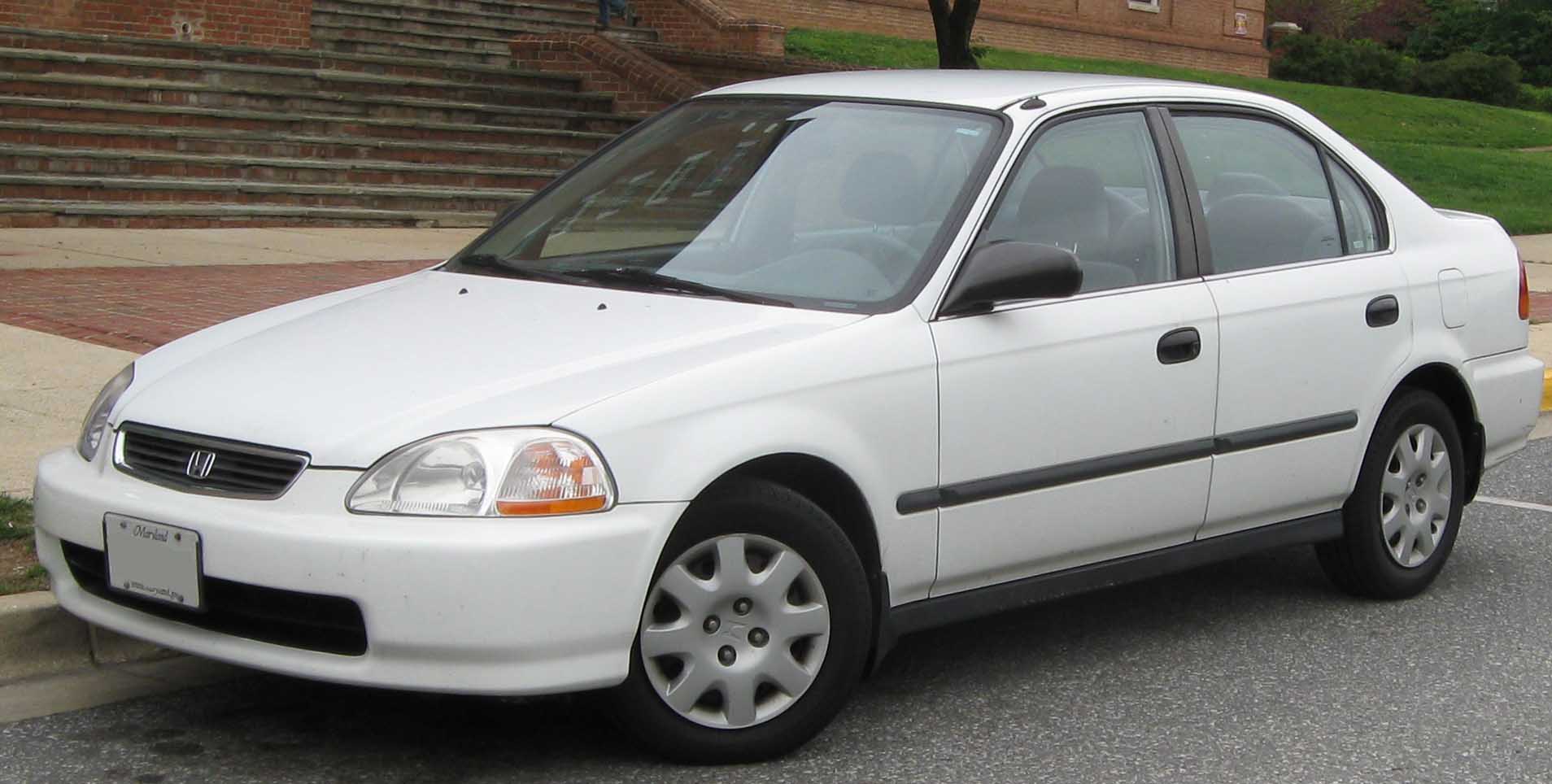
Your conversion starting point
Honda Civic
1988-1995 · OBD-I Era
An idea to investigate. No ownership or build commitment assumed.
What we can say so far
What to investigate first
The Honda Civic, specifically the 1996 Hatchback, has proven to be a highly adaptable platform for EV conversions, even accommodating advanced e-4WD setups using dual Tesla Model S drive units.
Model-level evidence: these sources may cover different years, variants, or build choices. They do not confirm suitability for this exact vehicle.
The Honda Civic platform, specifically the 1996 Hatchback, has demonstrated suitability for advanced e-4WD conversions using dual Tesla Model S drive units.
Main constraints to investigate
Integrating multiple large OEM drive units (e.g., Tesla Model S front and rear) into a compact chassis like the Civic necessitates significant custom cradle fabrication for the rear motor and careful weight distribution management.
High continuous power generates extreme heat
General OBD-I Era guidanceRequires hydraulic pressure from engine
General OBD-I Era guidanceAC compressor belt-driven from engine
General OBD-I Era guidanceMake the tradeoffs more relevant
What would you want from a conversion?
Optional. Change a choice to see what it means for planning.
What your choices mean
Start with your actual journeys and charging access. Then investigate battery space, vehicle condition, and the skills you’ll need.
Authored planning guidance. These choices do not calculate range, cost, compatibility, or a feasibility score.Plan for safety
Battery protection, isolation, braking, mounting, and safe high-voltage procedures need competent design and verification. Check inspection and registration requirements for your location.
Improperly designed or installed motor mounts can lead to catastrophic failure of the drive unit, loss of control, and severe injury.
Brake system modifications (e.g., vacuum pump, iBooster) must be meticulously designed and tested to ensure reliable and safe braking performance.
Cooling system failures can lead to overheating of critical components (motor, controller), potentially causing component damage or thermal events.
Unintended motor activation or acceleration due to incorrect zero-torque management or misconfigured control signals poses a significant safety risk, especially during testing or unexpected operation in compact Civic, Beetle, or MX3 chassis.
Working with High Voltage (HV) systems without proper safety protocols can lead to severe injury or death. Always ensure HV is disconnected and discharged before working on components.
Working with high-voltage EV components, especially during motor disassembly or wiring, carries a significant risk of electric shock. Always disconnect the high-voltage battery and discharge capacitors before handling.
An uncontrolled or incorrectly operating motor can cause unexpected vehicle movement, leading to injury or property damage. Ensure the vehicle is securely chocked and in a safe environment during testing.
Source notes and this assessment cannot certify a design or replace training and qualified review.
Component market prices
Vendor prices are reference points, not a complete conversion quote.
More reading and source context
These accounts may cover different variants or years. Reported outcomes belong to those builds; they are not specifications for yours.
Reviving Classics: Turning a Civic into an e-4WD!
This article, sourced from evbuildersguide.com, details the conversion of a 1996 Honda Civic Hatchback into an electric vehicle, turning it into an e-4WD. The author, Jerome Andre, highlights Ryan's (Rywire) project of converting a classic Civic, outlining motivations, processes, and technical considerations. It includes aspects like motor and battery specifications, regulatory steps, challenges in thermal management, weight implications, and community feedback. The article serves as a guide for EV conversion enthusiasts, covering regenerative braking integration, cooling management, power output comparisons, charge port design, air conditioning considerations, DMV registration, and future upgrade possibilities.
Junkyard Report: 2005 HONDA Civic hybrid
This forum thread details a practical tip for EV conversions, focusing on sourcing and repurposing high-voltage cables. The user describes finding and extracting 15-foot inverter-to-motor cables from a Honda Civic, which are ideal for connecting battery packs to inverters due to their length and gauge. These cables are demonstrated to be compatible with popular Lexus GS450h, Toyota Camry, and Nissan Altima inverters. The conversion project in mind is a 1972 VW Beetle, nicknamed 'Bunky the eBug,' where one of the three cables could also be used for the DC-DC converter's positive lead. Key challenges mentioned include the physical hazard of sharp components during cable extraction and potential regret for stripping cable housing. The post also suggests fabricating metal brackets for improved inverter connection stability, highlighting a valuable, actionable component sourcing and integration strategy.
[object Object]