
Your conversion starting point
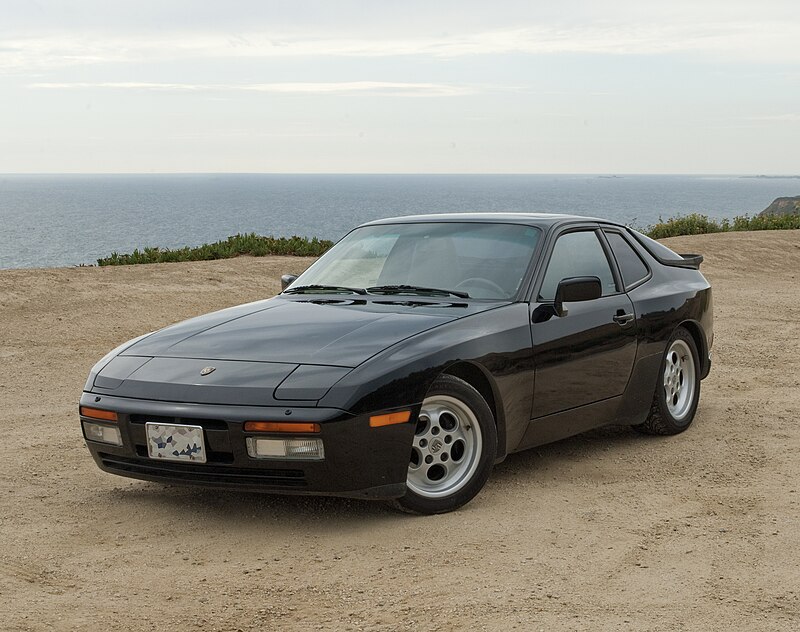
Porsche 924
1976-1988 · Classic
An idea to investigate. No ownership or build commitment assumed.
What we can say so far
What to investigate first
Converting a Porsche 924 to electric drive is a popular project, often leveraging complete Nissan Leaf drivetrains for their simplicity and regulatory compliance.
Model-level evidence: these sources may cover different years, variants, or build choices. They do not confirm suitability for this exact vehicle.
The Porsche 924's transaxle layout is well-suited for integrating complete drivetrain units like the Nissan Leaf EM57, simplifying motor and gearbox mounting.
Main constraints to investigate
Achieving regulatory compliance, particularly concerning EMC regulations for complete drivetrain swaps, presents a significant challenge in some regions like Germany.
High continuous power generates extreme heat
General Classic guidanceAC compressor belt-driven from engine
General Classic guidanceRequires hydraulic pressure from engine
General Classic guidanceMake the tradeoffs more relevant
What would you want from a conversion?
Optional. Change a choice to see what it means for planning.
What your choices mean
Start with your actual journeys and charging access. Then investigate battery space, vehicle condition, and the skills you’ll need.
Authored planning guidance. These choices do not calculate range, cost, compatibility, or a feasibility score.Plan for safety
Battery protection, isolation, braking, mounting, and safe high-voltage procedures need competent design and verification. Check inspection and registration requirements for your location.
Applying excessive force to seized nuts or bolts can lead to sudden tool breakage (e.g., vice, wrenches) or component failure, resulting in uncontrolled movement and potential injury.
Welding and grinding operations carry significant risks of burns, eye injury, fire, and respiratory hazards; always use appropriate personal protective equipment (PPE) and ensure proper ventilation.
Failure of custom motor mounts due to inadequate welds or fasteners can cause the motor to detach or swing violently, posing an extreme risk of severe injury or vehicle damage.
Always ensure correct polarity for all electrical connections, especially for high-power EV components like DC-DC converters, to prevent component damage, short circuits, and potential fires.
Never bypass or omit fuses in any circuit. Fuses are critical safety devices that protect wiring and components from overcurrent, preventing overheating and fire hazards.
Always disconnect the high-voltage battery pack before performing any wiring modifications, especially when bypassing contactors or working near battery terminals, to prevent severe electrical shock.
Ensure all high-current connections are properly insulated and fused to prevent short circuits and fire hazards, particularly when integrating new EV components into the 924's chassis.
Risk of high-voltage shock or component damage from exposed terminals or incorrect wiring.
Fire hazard due to fuel spillage during tank removal or improper handling of residual fuel.
Potential for catastrophic failure or damage to critical EV components (e.g., BMS) due to improper fusing or temporary wiring.
Source notes and this assessment cannot certify a design or replace training and qualified review.
Component market prices
Vendor prices are reference points, not a complete conversion quote.
More reading and source context
These accounts may cover different variants or years. Reported outcomes belong to those builds; they are not specifications for yours.
Budget Porsche 924S EV Conversion: How Karl Built a Leaf-Powered Sports Car for Around $20K
Karl Nichols converted a 1988 Porsche 924S into an electric vehicle using parts from a Nissan Leaf, costing around $20,000. The project prioritized budget-friendliness, utilizing a Resolve EV controller to integrate the Leaf's motor, BMS, battery pack, and charging system. The car achieves approximately 200 miles of range and accelerates from 0 to 60 mph in about five seconds. The battery pack is split between the front (where the engine used to be) and the rear (where the back seat used to be). The suspension was upgraded with adjustable coilovers and Swift Springs to accommodate the added weight of the batteries. The conversion maintains the original Porsche interior aesthetic while delivering significantly improved performance compared to the stock 924S. The project demonstrates that affordable EV conversions are possible with the right approach and readily available parts, accessible to DIY enthusiasts.
Introducing our 1987 Porsche 924S EV Conversion
This extensive forum thread chronicles a father-son EV conversion of a 1987 Porsche 924S, affectionately named "Perl." The project, aiming for a 100-mile range and fun performance, emphasized learning and bonding. Initial progress involved a thorough teardown, brake rebuilds, and LED lighting conversion. A pivotal decision was adopting a Nissan Leaf EM57 motor and its integrated gearbox over a Hyper9, driven by fit and cost. The team navigated numerous technical challenges, including sourcing Chevy Volt battery packs, configuring a Thunderstruck VCU/MCU, troubleshooting VCU errors, and developing a custom ESP32 CAN bus display. Mechanical integration featured extensive 3D printing for custom parts, addressing rear weight distribution, and removing complex original components. Milestones include the first Leaf motor spin, initial battery pack charging, and the motor's successful installation. The project actively engaged the community for advice on high-voltage safety, motor control, and mechanical adaptations, serving as a rich documentation of real-world EV conversion.
Decision to utilize Nissan Leaf Drivetrain: Early on, the team made the critical choice to pursue the Nissan Leaf EM57 motor and its integrated gearbox over alternatives like the Hyper9, primarily due to fitment and cost. This strategic decision heavily influenced subsequent mechanical and electrical designs.